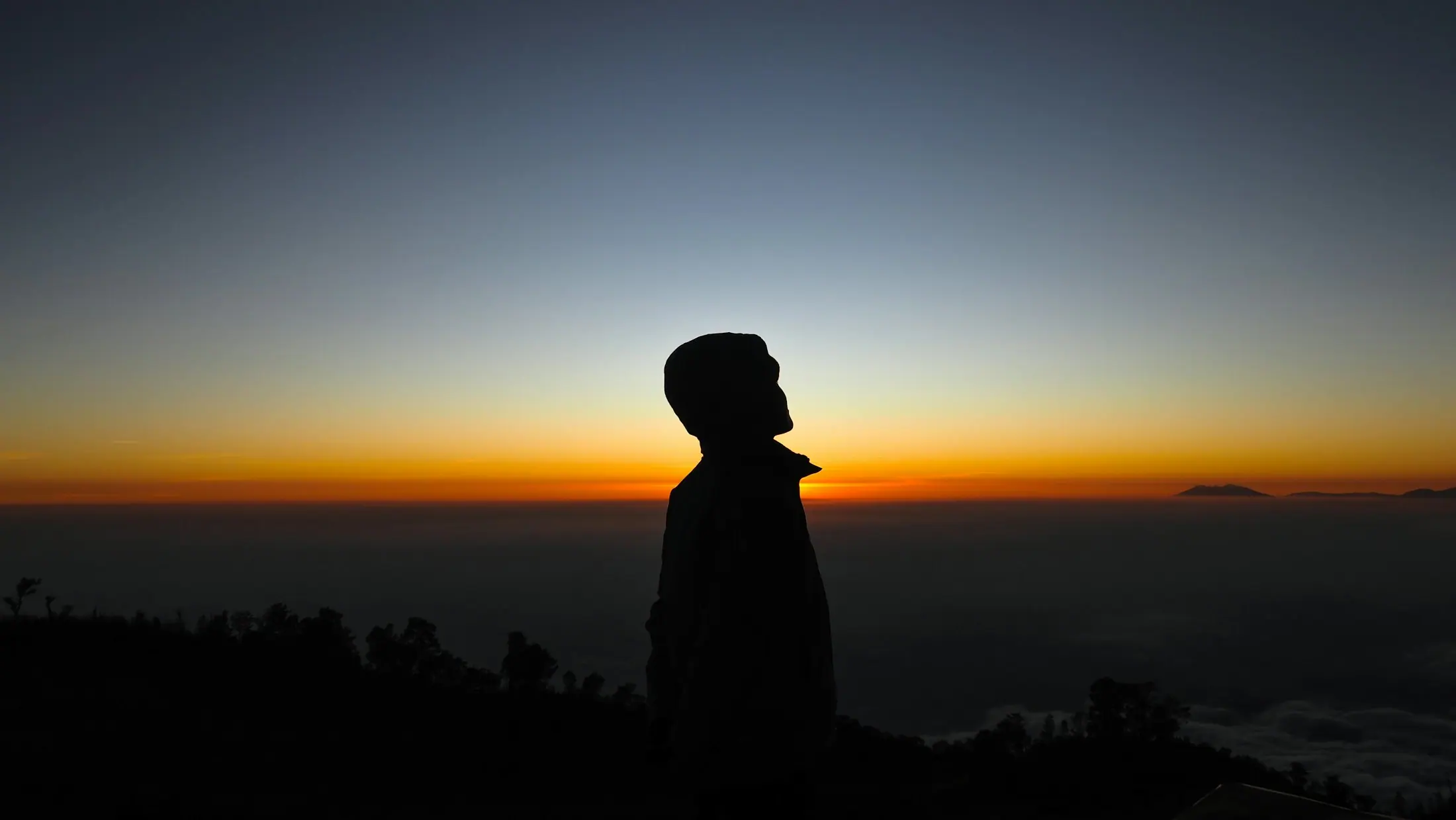
More time on breath
than on shape.
Small groups, close attention, and a practice you could realistically continue on an ordinary Tuesday at home.
A practice you will keep beats a practice you admire.
Guests arriving from athletic studios are sometimes surprised by how slow the morning practice is. We spend longer on breath and transitions than on holding shapes, because that is where most of the useful work happens.
Sessions are capped so that adjustments are possible, and one-to-one time is built into every programme rather than sold alongside it.
Whatever you are given here is trimmed, before you leave, into something short enough that you will still be doing it in three months.
Four kinds of session.
Early morning
Hatha & breath
The principal practice, taken outdoors when the weather allows. Slow, precise, and pitched to whoever is on the mat.
Mid-morning
One-to-one
Individual sessions for guests working around an injury, a plateau, or a posture that has never quite behaved.
Afternoon
Restorative
Supported, largely horizontal, and close to sleep. Frequently the session guests remember.
Evening
Stillness & sound
Guided meditation or singing bowls before dinner — the wind-down that makes the night easier.
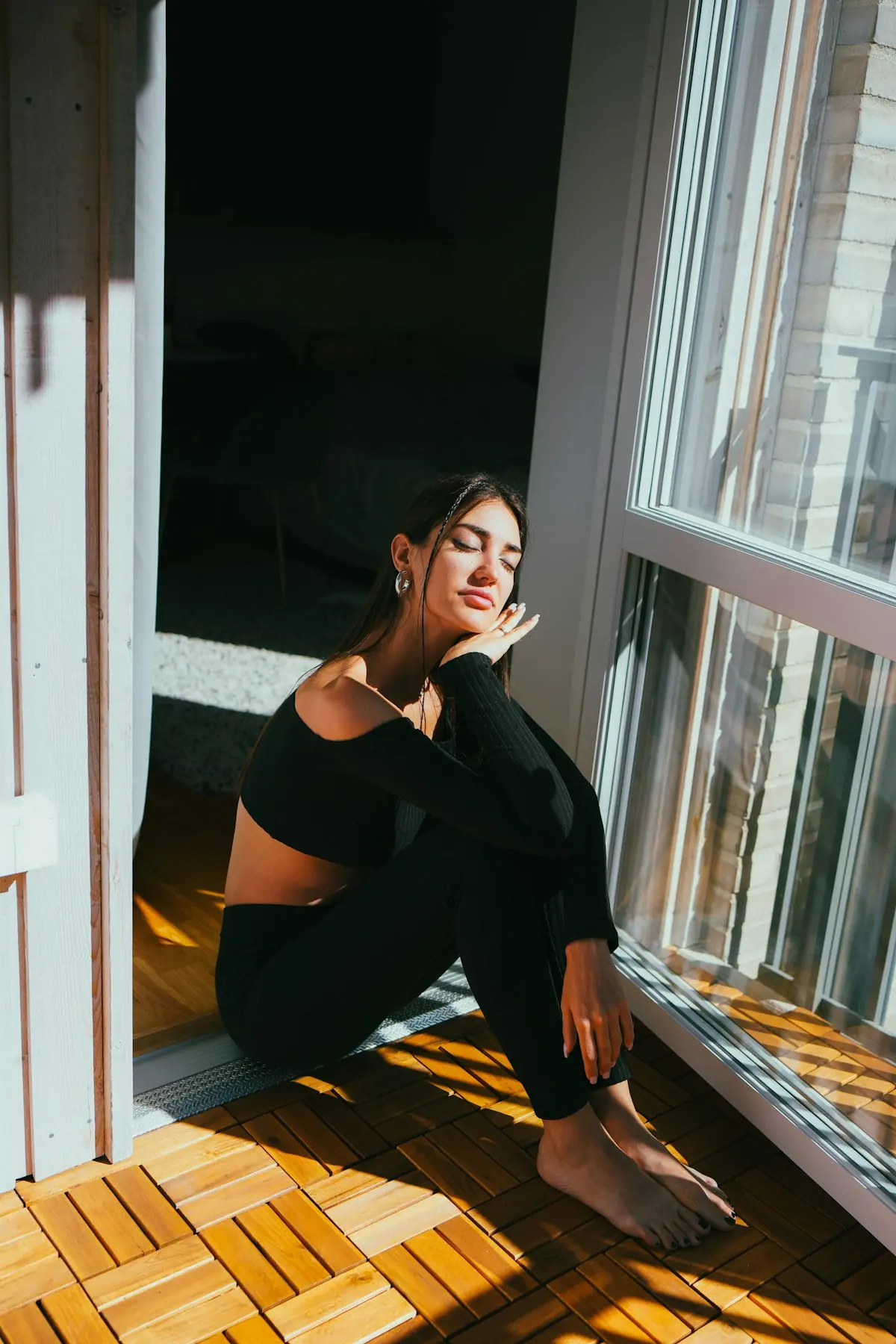
Chosen for what it does, not how it looks.
The same guest may be given a different practice on day five than on day one. Your teacher is watching how you move rather than working through a fixed sequence.
For anyone managing stiffness, a recent injury, or simply a body that no longer does what it did at thirty, sessions are paced individually and never pushed.

Breath first.Everything else follows.

For people who are certain they cannot meditate.
Most of the guests who take these sessions arrive convinced they are bad at it. The teaching is deliberately unmystical — short practices, explained plainly, with no expectation of an empty mind.
Breath work comes first because it asks for nothing: no cushion, no silence, no half hour. It can be done in a meeting, or in the ninety seconds before a difficult conversation.
- Pranayama
- Structured breathing — the most portable thing we teach.
- Guided stillness
- Short, plainly explained, free of ceremony.
- Sound practice
- Lying down, in a darkened room. No technique required.
- Evening wind-down
- A ritual that makes the night easier.
Deepen your practice.
Whether you have practised for years or never once, tell us where you are and our teachers will suggest how to spend the time.